Get Irrigation System Winterization
Irrigation system winterization services help property owners prevent damage by draining and protecting sprinkler systems during cold months, handled by local contractors.
Property owners in the area who rely on irrigation systems recognize the importance of proper winterization to protect their landscapes and equipment during colder months. Properly preparing an irrigation system for winter can help prevent damage caused by freezing water, reducing the risk of costly repairs or replacements come spring. For those planning seasonal maintenance or seeking reliable ways to safeguard their property, exploring local contractor options ensures expert assistance tailored to the specific needs of the local climate and landscape.
Considering winterization services from experienced local contractors allows property owners to compare available options and find solutions suited to their property's unique requirements. Whether managing a residential yard or a commercial landscape, connecting with knowledgeable service providers can help ensure a thorough and effective winterization process. Keep reading to learn more about how local professionals can assist with protecting irrigation systems during the colder months.
- Irrigation System Winterization - needed when preparing sprinkler systems for freezing temperatures to prevent damage.
- Backflow Prevention - required if backflow devices need to be drained or protected during winter months.
- Pipe and Valve Drainage - necessary when removing residual water from pipes and valves to avoid freezing and cracking.
- System Inspection and Maintenance - recommended before winter to identify and address potential issues that could worsen in cold weather.
- Frozen Pipe Prevention - essential for properties in areas prone to severe winter cold to avoid costly repairs.
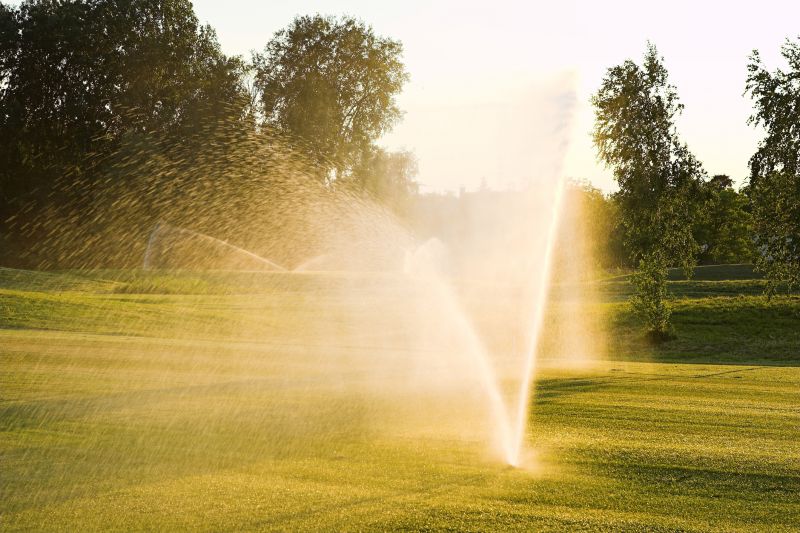
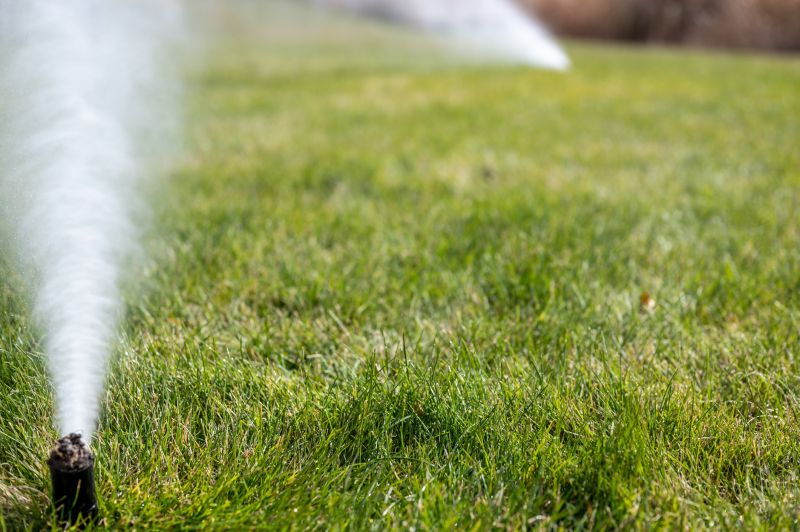
Irrigation system winterization services involve preparing an in-ground sprinkler or irrigation system for the colder months to prevent damage caused by freezing temperatures. The process typically includes draining residual water from pipes, valves, and sprinkler heads, and then insulating or shutting down the system to protect it from ice expansion. Proper winterization helps ensure that the irrigation system remains in good condition and is ready to operate efficiently when the warmer weather returns. Professional service providers can evaluate the specific needs of each system and perform the necessary steps to safeguard the equipment during winter.
One of the primary problems winterization addresses is the risk of freeze damage. When water inside pipes or valves freezes, it expands and can cause cracks, leaks, or even complete system failure. Repairing this type of damage can be costly and disruptive, especially if it leads to water damage or the need for extensive repairs in the spring. Winterization services help mitigate these issues by removing water from the system, reducing the likelihood of freezing-related damage, and extending the lifespan of the irrigation components.
Properties that typically utilize winterization services include residential homes with in-ground sprinkler systems, multi-family complexes, commercial properties, and even some community parks or landscaping projects. Homeowners with elaborate or automated irrigation setups are often advised to have their systems winterized to prevent costly repairs come springtime. Larger properties or those with extensive landscaping may also rely on professional winterization to ensure their irrigation systems are properly protected during the off-season, avoiding unnecessary downtime and repair expenses.
Homeowners should consider scheduling winterization services if their property has an in-ground irrigation system that will be unused during the colder months. Signs that winterization is needed include the onset of freezing temperatures, the end of the watering season, or if the system has been turned off for the winter. By working with experienced local contractors, property owners can ensure their irrigation systems are properly prepared for winter, reducing the risk of damage and ensuring a smooth start-up when watering resumes in the spring.
The overview below groups typical Irrigation System Winterization projects into broad ranges so you can see how smaller, mid-sized, and larger jobs often compare in your area.
In many markets, a large share of routine jobs stays in the lower and middle ranges, while only a smaller percentage of projects moves into the highest bands when the work is more complex or site conditions are harder than average.
Routine Winterization - for typical residential irrigation systems, local contractors often charge between $250 and $600. Most projects fall within this range, covering draining and winterizing components to prevent freeze damage. Larger or more complex systems can cost more, but these are less common.
Smaller Repairs and Maintenance - minor repairs or adjustments during winterization usually cost between $150 and $350. Many routine jobs stay within this band, especially for straightforward systems requiring simple component checks and minor repairs.
Full System Shutdown - completely shutting down and preparing a large or commercial irrigation system for winter can range from $600 to $1,200. These projects are less frequent but necessary for extensive or high-capacity systems requiring detailed draining and protection measures.
Full Replacement of Components - if parts such as valves or controllers need replacement during winterization, costs can vary widely from $300 to over $2,000 depending on the scope. Larger, more involved replacements are less common but can significantly increase overall expenses.
Actual totals will depend on details like access to the work area, the scope of the project, and the materials selected, so use these as general starting points rather than exact figures.
Sprinkler System Maintenance - technicians who perform routine winterization and system shutdown procedures to prevent damage from freezing temperatures.
Backflow Prevention Testing - specialists who ensure irrigation backflow devices are properly prepared and protected during winter months.
Drainage System Installation - contractors who design and install drainage solutions that complement irrigation winterization to prevent water accumulation and freezing.
Pipe Insulation Services - providers who add insulation to irrigation piping to reduce the risk of freezing and cracking during cold weather.
Winter Garden Preparation - landscapers who prepare irrigation and planting systems for winter dormancy to protect plant health and infrastructure.
Water Line Repair - plumbers experienced in winterizing and repairing irrigation water lines to prevent leaks and damage caused by freezing conditions.
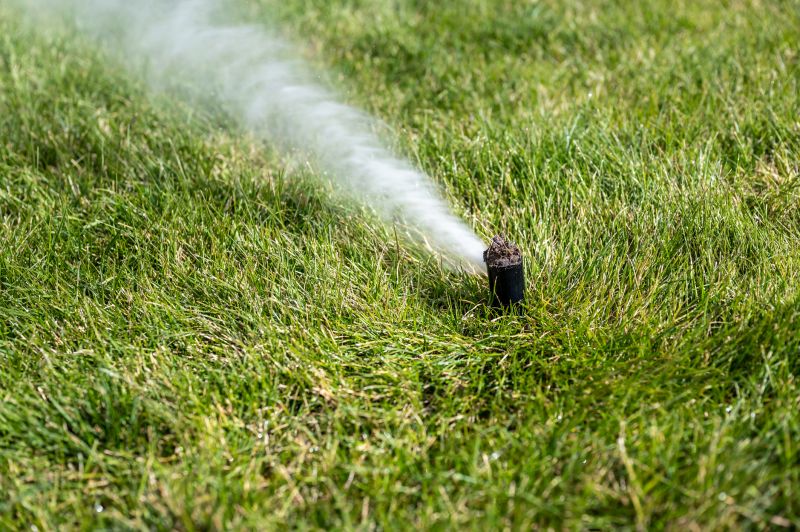
When evaluating contractors for irrigation system winterization, it’s important to consider their experience with similar projects. Homeowners should inquire about how long the service provider has been performing winterization services and whether they have handled systems comparable in size and complexity. Experienced local contractors are more likely to understand the nuances of different irrigation setups and can anticipate potential challenges, ensuring the job is completed thoroughly and efficiently. A contractor’s background with projects like yours can provide confidence that they are familiar with the specific requirements and best practices needed for effective winterization.
Clear, written expectations are essential when comparing local service providers. Homeowners should seek detailed descriptions of the services included, such as draining lines, blowing out systems, and protecting valves and controllers. Having a written outline helps prevent misunderstandings and ensures both parties agree on what the job entails. It’s also beneficial to ask about any guarantees or warranties related to the work, as these can offer added assurance that the contractor stands behind their service. Clear communication about scope and expectations helps homeowners make informed decisions and select a provider that aligns with their needs.
Reputable references and strong communication skills are key factors when choosing local pros for irrigation winterization. Homeowners should request references or reviews from previous clients to gauge the quality of work and customer satisfaction. Additionally, a service provider’s responsiveness and clarity in answering questions can indicate their professionalism and dedication to customer service. Good communication ensures that homeowners can easily discuss concerns or special instructions throughout the process. Remember, this site introduces homeowners to local contractors capable of handling the work; it does not perform the services itself. Taking the time to compare these aspects can help find reliable, experienced professionals who can deliver quality winterization services.
Property owners use Irrigation System Winterization services for practical projects around their homes and businesses. This guide focuses on everyday jobs and straightforward project options.
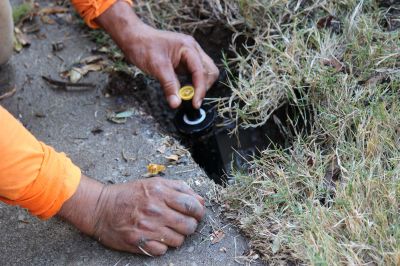
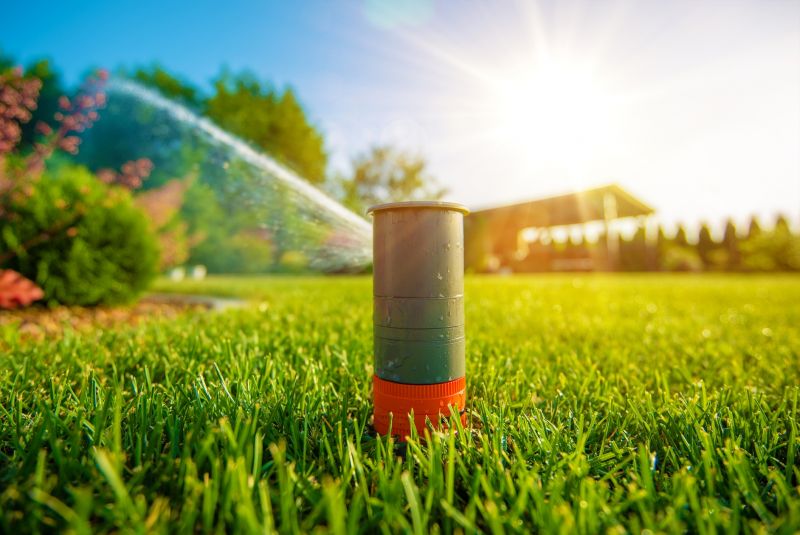
As winter approaches, property owners in the area often seek irrigation system winterization services to protect their systems from freezing temperatures and potential damage. Many residents notice that their outdoor sprinklers and irrigation lines can be vulnerable during cold weather, which may lead to costly repairs if not properly prepared. Local contractors offer seasonal shutdowns that help prevent issues caused by ice expansion, ensuring that irrigation equipment remains in good condition through the colder months.
Property owners might also look for winterization services to avoid water damage or system failure come springtime. Homeowners and business owners alike understand the importance of having their irrigation systems properly drained and protected before the first frost. Local service providers can handle these tasks efficiently, giving property owners peace of mind that their irrigation systems are safeguarded against winter weather and ready to resume operation when warmer days return.
Why is winterizing an irrigation system important? Winterizing helps prevent damage from freezing temperatures by protecting pipes, valves, and sprinkler heads during the colder months.
What steps are involved in irrigation system winterization? Local contractors typically drain the system, blow out remaining water, and secure components to ensure they are protected from winter conditions.
When should I schedule irrigation system winterization services? It's recommended to have the winterization performed before the first hard freeze in your area to avoid potential damage.
Can winterization help extend the lifespan of my irrigation system? Yes, proper winterization can help prevent freeze-related damage, potentially extending the system’s overall longevity.
How do I find local contractors for irrigation system winterization? Use a lead generation service to compare and connect with nearby service providers experienced in irrigation winterization services.
Prepare irrigation systems for winter - property owners can ensure their sprinklers and hoses are properly turned off and drained to prevent damage during cold weather.
Protect outdoor plumbing - homeowners can use this service to safeguard pipes and valves from freezing temperatures, reducing the risk of costly repairs.
Schedule seasonal system shutdowns - property owners can have local contractors efficiently deactivate and secure irrigation components for the winter months.
Prevent water damage and leaks - winterization helps avoid potential water leaks or bursts caused by freezing, saving property owners from future repairs.
If you are thinking about Irrigation System Winterization for a property, this guide is meant to help you understand the work, the typical project types, and how different options might fit your plans.
When you are ready, you can use the quote form on this page to share a few details about your project. From there, local pros can review the basics and respond with options that match what you have in mind.